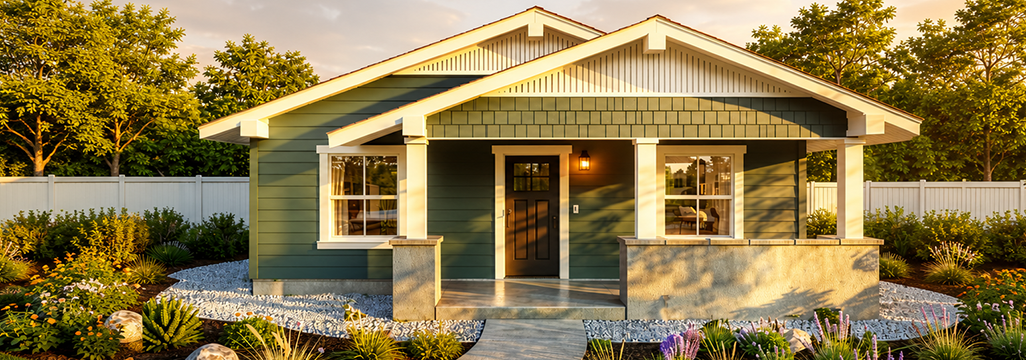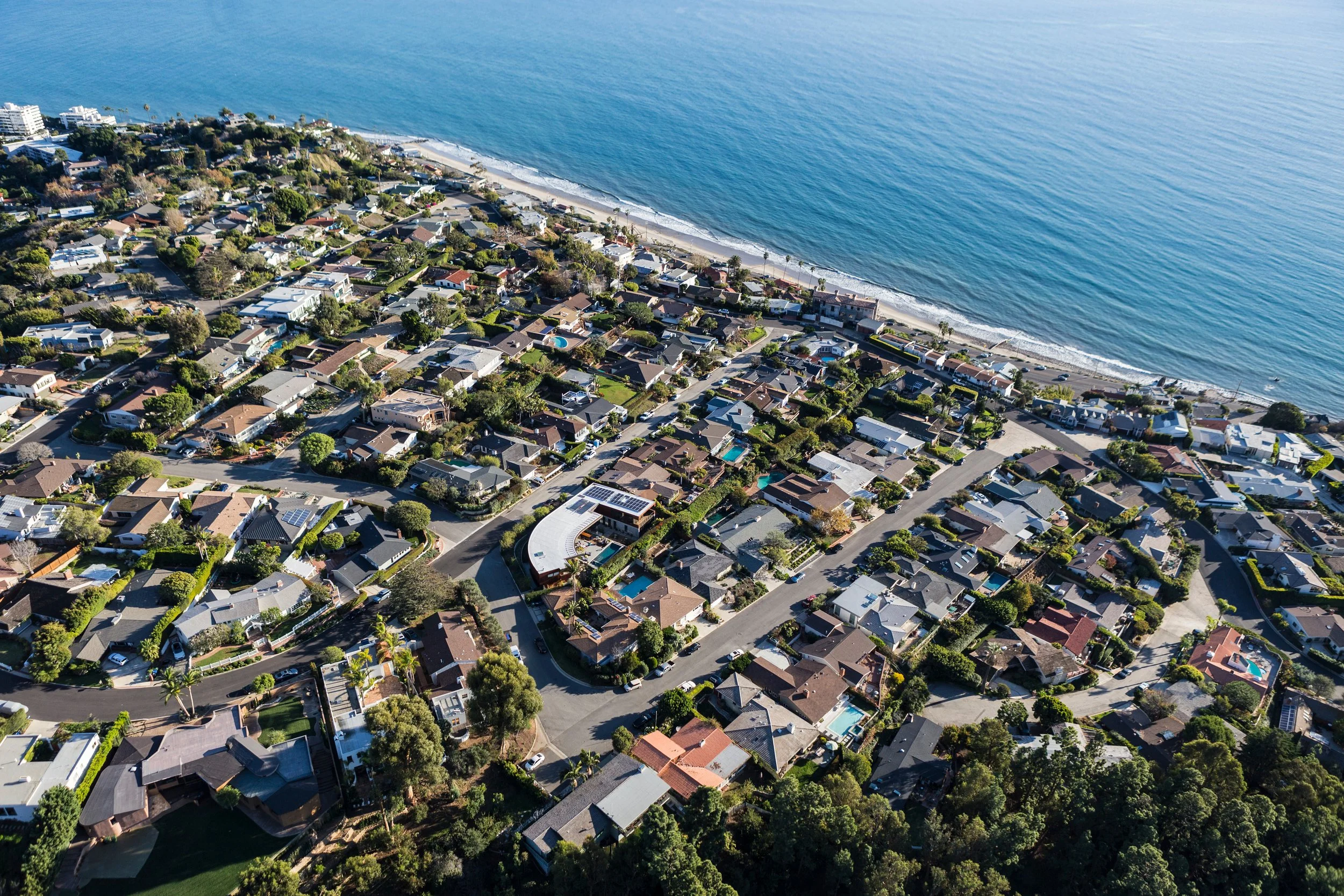
Resilient Los Angeles is helping homeowners and communities rebuild after the Eaton and Palisades fires in ways that are safer, more resilient, insurable, and built to last. By connecting the people, resources, expertise, and systems surrounding a homeowner, we make resilient rebuilding easier and more achievable. The approaches developed in Los Angeles can be scaled and adapted by communities across the country.
OUR APPROACH & OUR GOALS
Make Resilient Homes Easier to Navigate and Achieve:

We believe fire resilience isn’t a single product or upgrade—it’s a system of decisions about how a home is built, detailed, and maintained.
Turn Wildfire Science Into Practical Standards and Rebuilding Solutions:
We translate the technical details into practical easy to understand guidance, standards, pilots, and tools that help make resilient construction easier to deliver.
Build the Partnerships and Community Infrastructure That Make Resilience Possible:
We connect homeowners, communities, builders, insurers, funders, government, and experts breaking down barriers and aligning efforts towards collective and community resilience.
Close the Gaps to Make Resilient Rebuilding Affordable:

We work on bridging the gap between rebuilding to code and building for resilience, developing and connecting financing, insurance and philanthropic solutions.
Our team
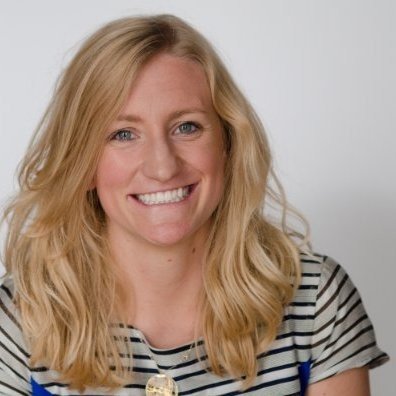
Abby Ross
CEO of The Resiliency Company
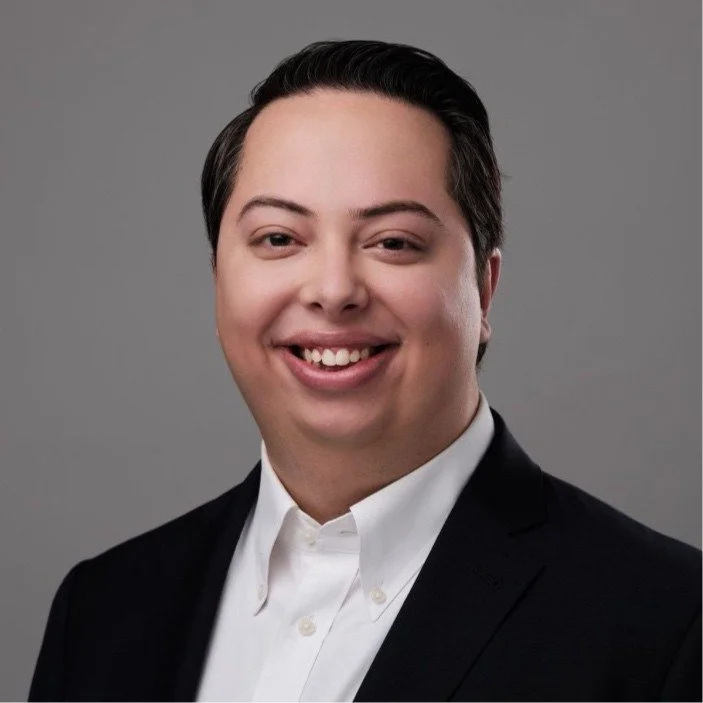
Jonathan Dromgoole
Resilient LA Strategy, Partnerships, and Operations Lead
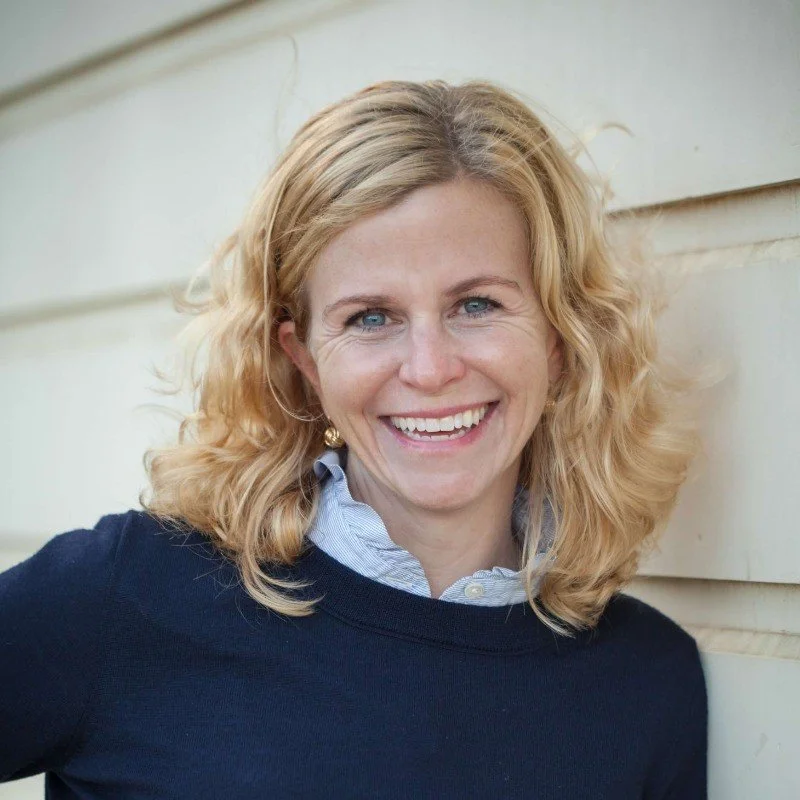
Alexis Pelosi
Strategic Advisor,
Built Environment

James McIntyre
Senior Advisor,
Finance and Lending Partners

Get to know our parent organization
The Resiliency Company isn’t a think tank—it’s a do-tank, bringing together experts in climate science, adaptation, finance, and policy to create practical solutions that reduce the financial, physical, and social impacts of disasters.
We bring together communities, technical experts, builders, insurers, financial institutions, philanthropy, and government to develop practical solutions that make resilient rebuilding easier today and more scalable for communities tomorrow.







Equip yourself with resources and knowledge to reach resiliency standards