How Does the IBHS WFPH+ Certification Inspection Process Work?
What to expect from your third-party site visit, and how to make sure your build is ready.
Key Takeaways
WFPH+ can unlock insurance discounts of up to 52 percent in California, but it requires a rigorous certification process.
Documentation starts before construction. Get on the same page as your contractor early about WFPH+ standards, taking photos mid-installation, and keeping track of spec sheets.
An inspection failure isn’t a failed certification. You have 60 days to make corrections and resubmit photos, without repaying the fee.
Earning IBHS Wildfire Prepared Home Plus (WFPH+) certification means you’ve built your home to a science-based and field-validated wildfire resistance standard, but getting there requires careful coordination during construction. Before certification is awarded, a third-party evaluator will inspect your home. Knowing what they're looking for improves the odds you’ll receive your designation.
We’ve collected some of the most common questions about the process and what you need to know.
What Is WFPH+ Certification?
The WFPH+ program is administered by the Insurance Institute for Business and Home Safety (IBHS), a nonprofit research organization that studies how construction can help a home withstand natural disasters, including wind, hail, wind-driven rain, and wildfire. The designation is their highest level of wildfire safety certification, signaling that a home is protected against flying embers, radiant heat, and direct contact with flames. For many insurers operating in California, that distinction affects whether a home is insurable, potentially unlocking premium discounts of up to 52 percent.
WFPH+ status is valid for three years, then renewable through re-evaluation.
How Do I Reach the Inspection Stage?
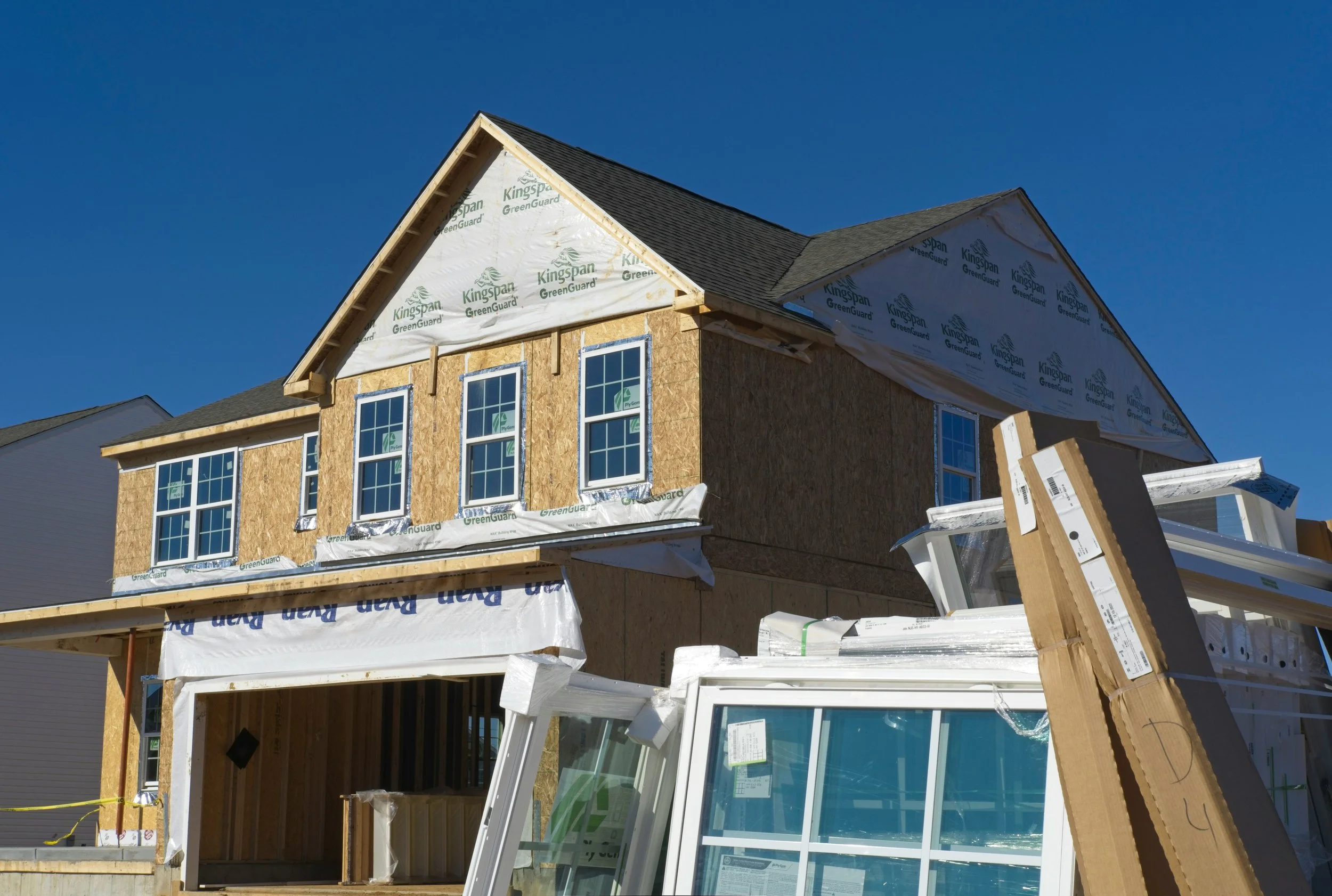
The WFPH+ inspection doesn’t occur until construction is complete, but because certain features get covered as construction progresses, documentation at every stage is important. Vent models, roofing underlayments, and window specifications are difficult to verify once a home is finished, so homeowners—or contractors—need to take pictures during installation.
Before the site visit, the homeowner uploads a complete photo set through the WFPH+ application portal. The photos should cover all sides of the home, showing the areas immediately surrounding the home, focusing on Zone Zero. It’s also a best practice to collect supporting documentation, including manufacturer specification sheets for vents, windows, doors, and roofing, and a landscape plan. For a more in-depth guide to the documentation process, go here. If you're not sure whether your home is ready to apply, download the checklist and take another look.
The completed application is submitted by the homeowner through the WFPH portal, with a $125 fee. During the eligibility review, IBHS may request additional photos or mitigation updates. Once IBHS finishes reviewing the application, a third-party evaluator will schedule a site visit.
What Does the Evaluator Look For on Inspection Day?
The on-site inspector will confirm that all required mitigation work has been done, check building materials, and collect additional verification photos.
The contractor should plan to be there, as the evaluator may have questions about specific installation decisions. Having someone on hand who can explain and address minor corrections keeps the process moving.
The inspector will look at every major exterior component of the home:
Roof: Class A roof assembly. Fiberglass asphalt shingles, concrete or clay tiles, or metal are acceptable, as well as noncombustible fascia trim for eaves.
Vents: WUI-listed ember-resistant models, or noncombustible screen with openings between 1/16 inches and 1/8 inches.
Windows: Dual-pane with two tempered panes, or 20-minute fire-rated glass.
Exterior doors: Noncombustible, 20-minute fire-rated, or solid core at least 1¾ inches thick with a noncombustible threshold.
Eaves and soffits: Fully enclosed with noncombustible material.
Siding: Noncombustible covering on all exterior walls from foundation to eave or roof.
Gutters with covers and downspouts: Metal only. Vinyl is not permitted.
Decks and stairs: Entirely noncombustible, including rails and walking surface.
Fencing: Noncombustible within five feet of the structure. Wood or vinyl cannot be attached to or within five feet of the home.
Zone Zero (0–5 feet): Stone, gravel, or concrete immediately surrounding the home. No vegetation, mulch, or combustible storage against the foundation.
This checklist offers a helpful way to review everything that the inspector will be looking for.
What Happens if Something Doesn't Pass?
After the evaluator uploads the information, IBHS staff will conduct a review. If IBHS identifies items that fall short of the standard, the homeowner has 60 days to make changes and reupload documentation (without repaying the fee). In most cases, when the build has been designed and managed with WFPH+ in mind, corrections are minor and can be verified via photo without an additional inspection.
How Can I Set My Contractor Up for Success?
WFPH+ certification goes smoothly when the requirements are part of the construction conversation early, and every trade is on the same page. Landscaping, roofing, siding, solar, and fencing contractors all make decisions that can impact the final designation, and late design tweaks or material substitutions are the number-one cause of failed or delayed designations.
Let your contractor know right away that they will need to walk through the IBHS evaluator through the work you’ve done, and work out who will be responsible for collecting documentation, including mid-installation photos and the packet of material spec sheets.
The more your contractors understand that you’re aiming for WFPH+ certification, the less likely you are to face surprises on inspection day.
For more information and support for homeowners rebuilding after fire, visit our Homeowner Resources page here.