What is the IBHS Wildfire Prepared Home Plus Standard?
Building a home to this standard can increase safety against future wildfires, lower insurance costs, and protect your neighbors.
Key Takeaways
The IBHS Wildfire Prepared Home Plus standard is the highest, evidence-based wildfire safety standard available.
Building to the Plus standard is easiest when constructing a new home, and it unlocks premium discounts and improves long-term insurability.
When entire communities build to the Plus standard, the broader ecosystem benefits.
Across Southern California, destructive wildfires are becoming increasingly frequent, forcing more homeowners and entire communities into the long process of rebuilding. But in starting over, there’s an opportunity to equip homes and neighborhoods to better withstand the threat of wildfires.
The building standard best aligned with that goal today is the Insurance Institute for Business & Home Safety’s Wildfire Prepared Home Plus standard—a set of science-backed guidelines designating building materials and practices that make for more fire-resistant, non-combustible homes. Homeowners who build to this standard can even receive discounts from insurers on their premiums and increase their home’s resale value over the long run. It’s a win-win-win.
In this article, we cover the basics for homeowners in the midst of rebuilding:
What is the IBHS?
What is involved in the Wildfire Prepared Home Plus standard?
What are the advantages of building to the Plus standard versus building to code or the Base standard?
What is the IBHS?
The Insurance Institute for Business and Home Safety (IBHS) is an independent, nonprofit scientific research and communications organization. Formed by the property-casualty insurance industry in 1977, IBHS provides the insurance industry with technical information, based on applied research conducted at its large-scale testing facility in South Carolina, on how buildings fare against severe weather and wildfire. IBHS’s findings from this research help shape building codes, insurance products, and safety standards nationwide.
What is the Wildfire Prepared Home Plus Standard?
Created in 2022 to address increased wildfire risk, IBHS’s Wildfire Prepared Home program is the first-ever science-based designation program that gives homeowners a clear, actionable path to reducing wildfire risk and—crucially—providing proof of that mitigation to insurers.
The Wildfire Prepared Home program currently offers two designations:
Wildfire Prepared Home Base
Wildfire Prepared Home Plus, which requires additional protective steps and is the highest evidence-based level of wildfire protection available.
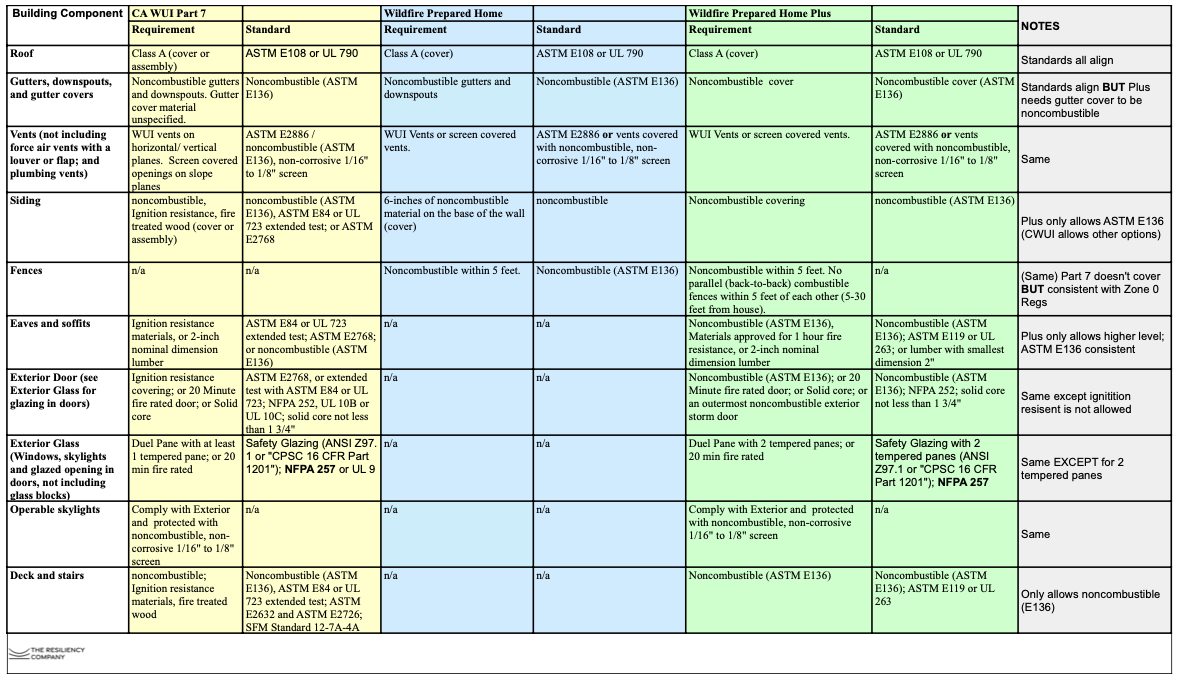
The Base designation is typically used for home retrofits, while the Plus designation is intended for new home construction. The Plus standard goes beyond Part 7 of the California Wildland Urban Interface Code, which applies to homes in the Very High fire hazard zone. The chart below helps highlight the differences between the building standards covered here.
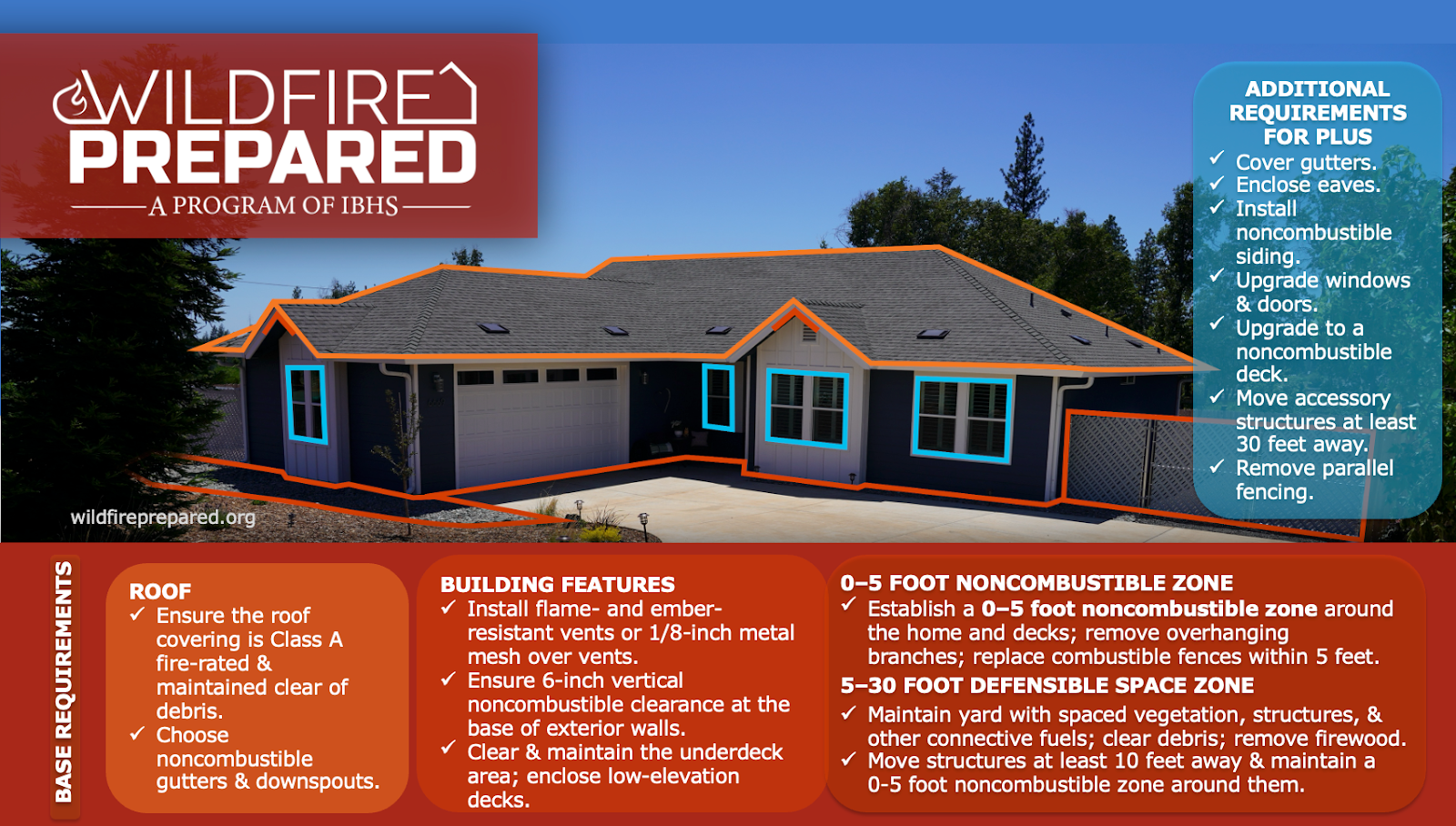
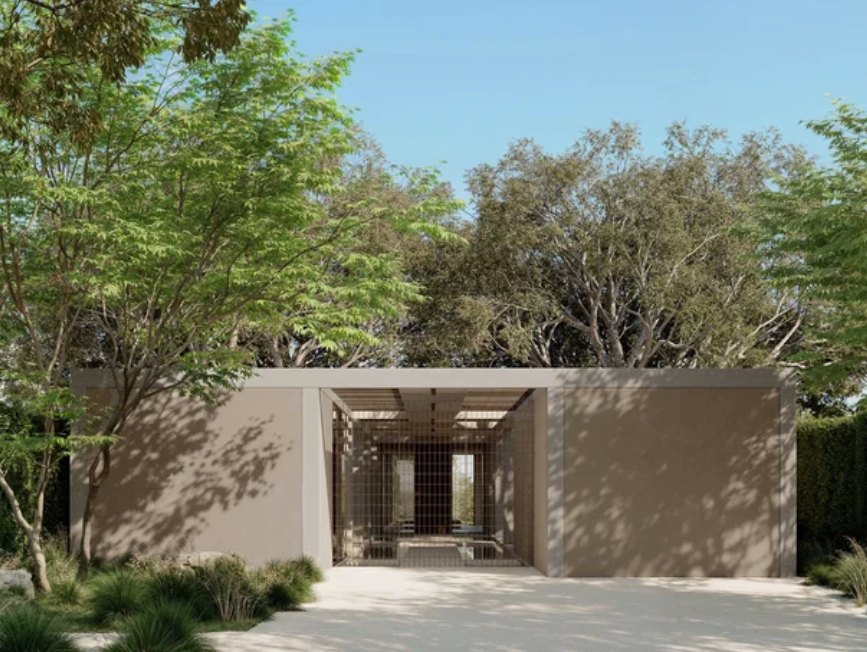
Wildfire Prepared Home designations focus on the exterior of the home; they don’t influence factors like interior design, and homes of different architectural styles, sizes, and neighborhood-level characteristics can qualify. In other words, not all Wildfire Prepared Homes look the same. Case Study: Adapt’s 16 Houses in Development demonstrate the wide range of aesthetics that remain achievable even when building within WPH guidelines.
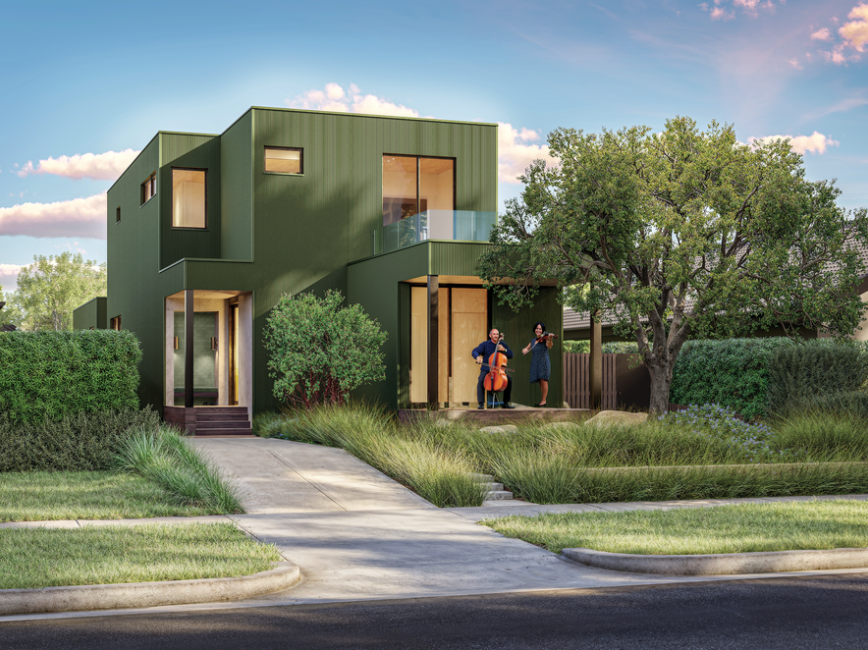
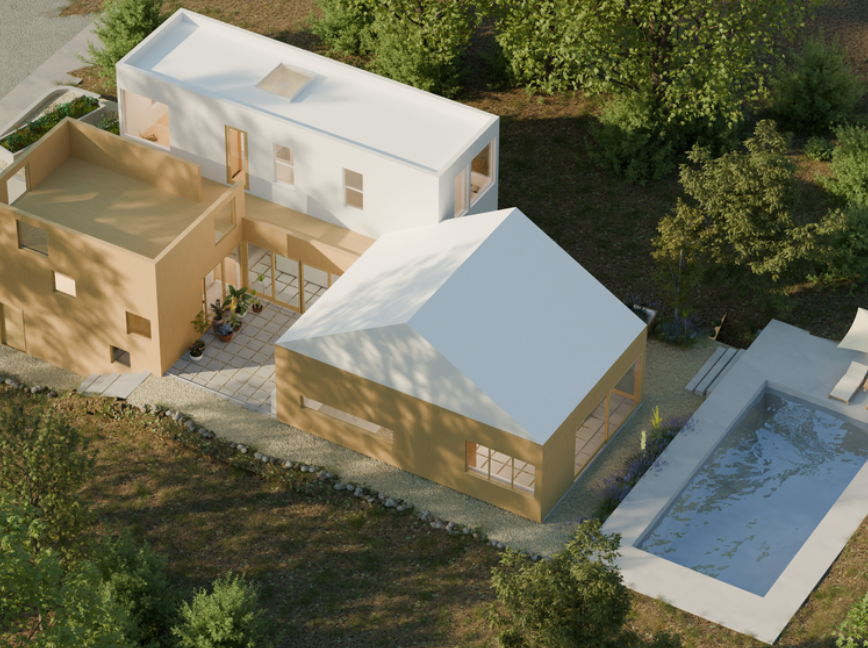
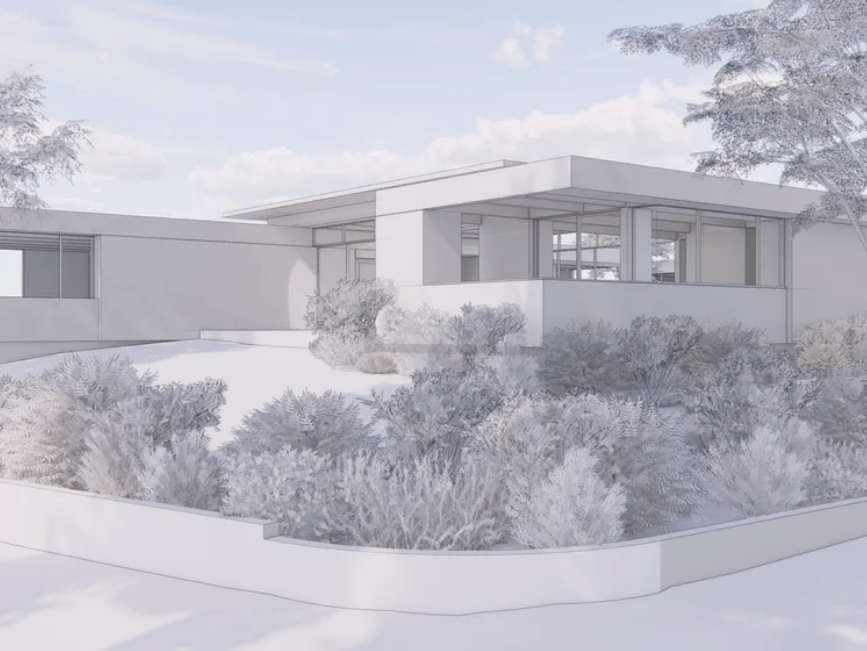
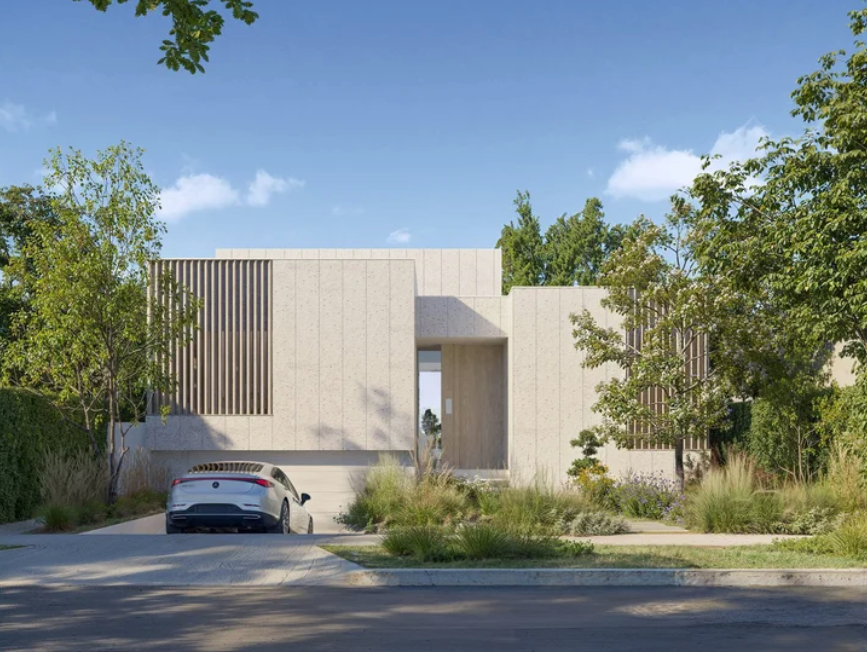
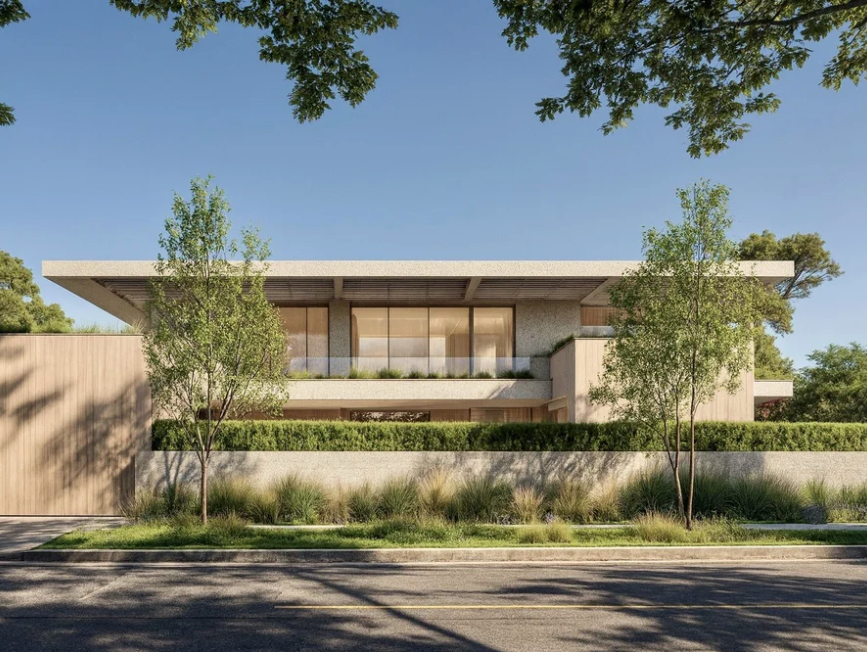
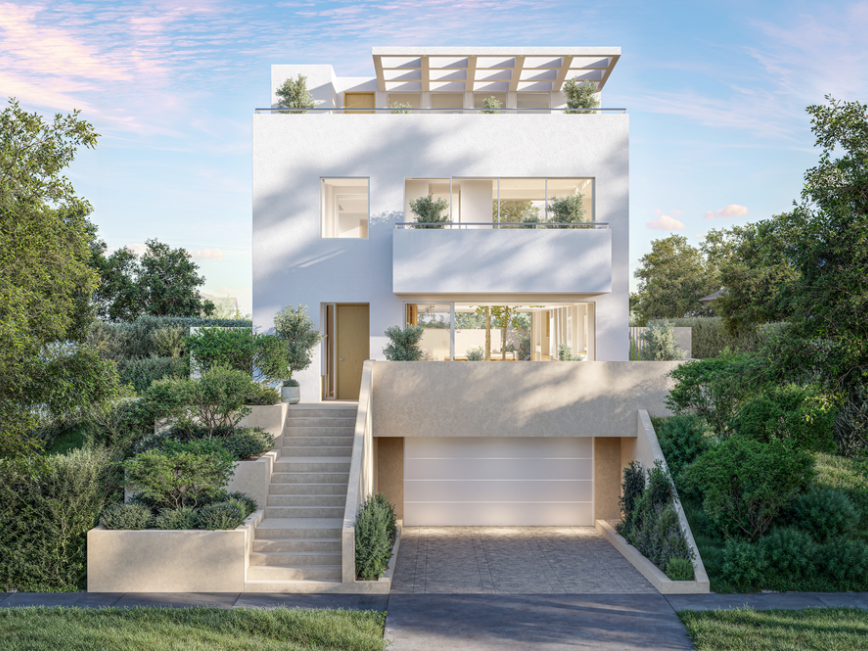
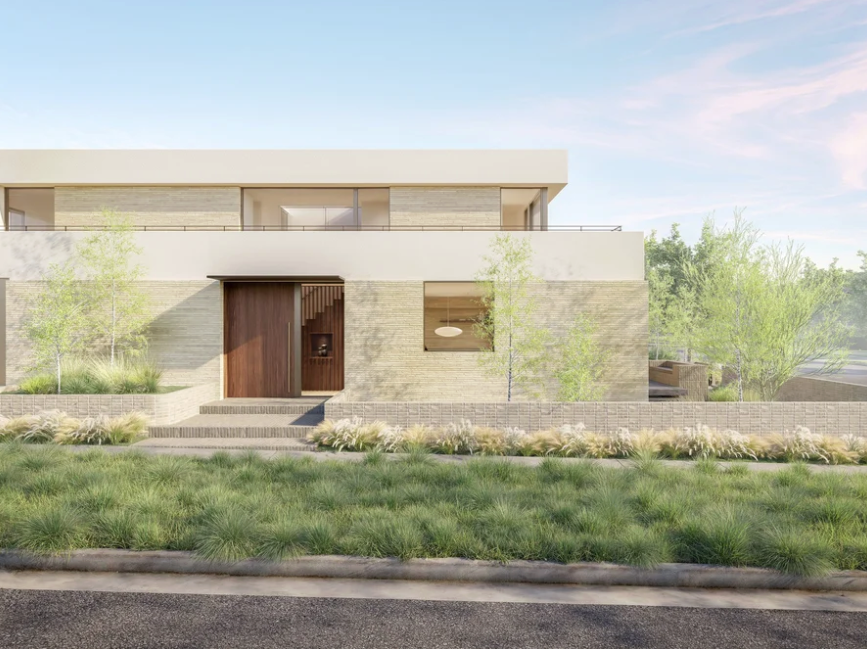
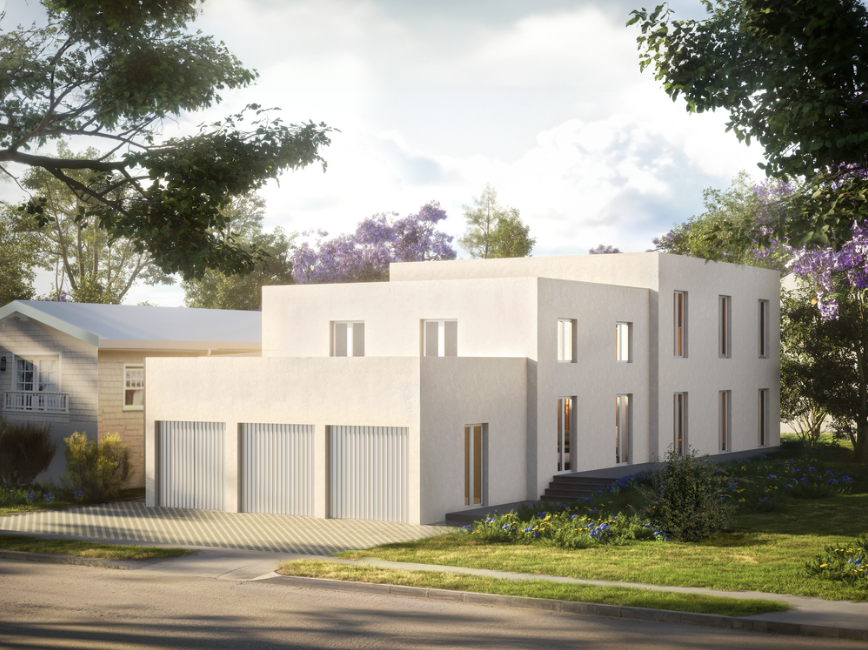
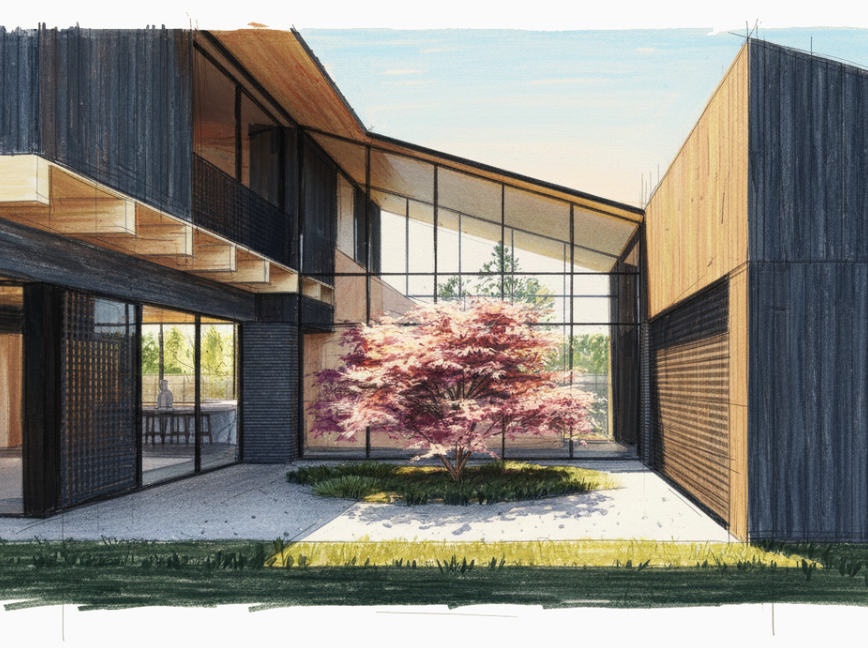
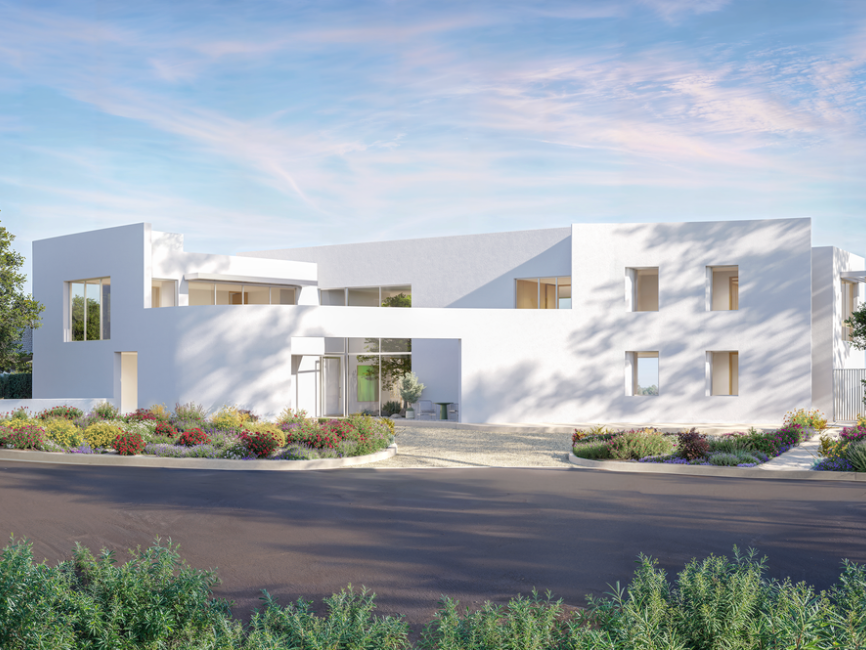
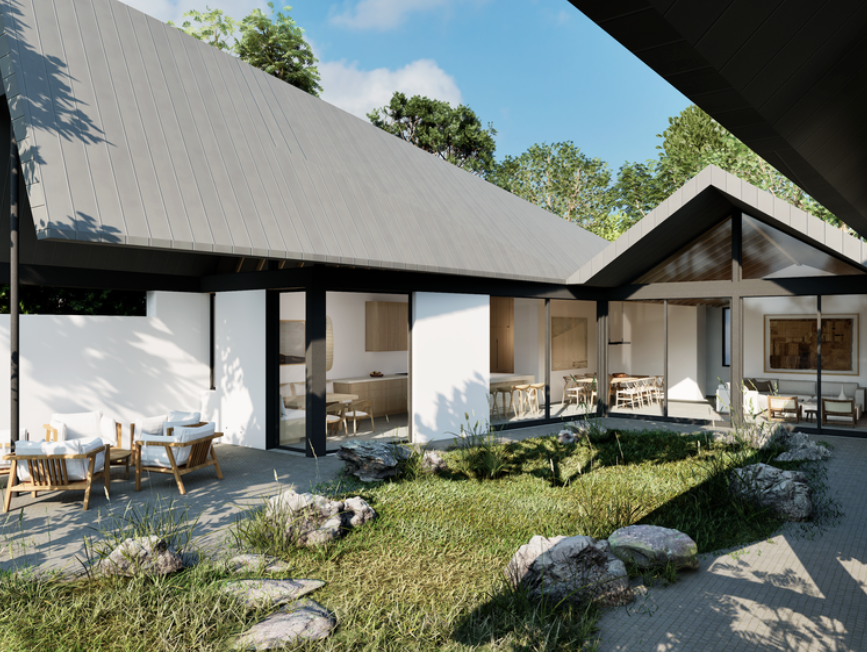
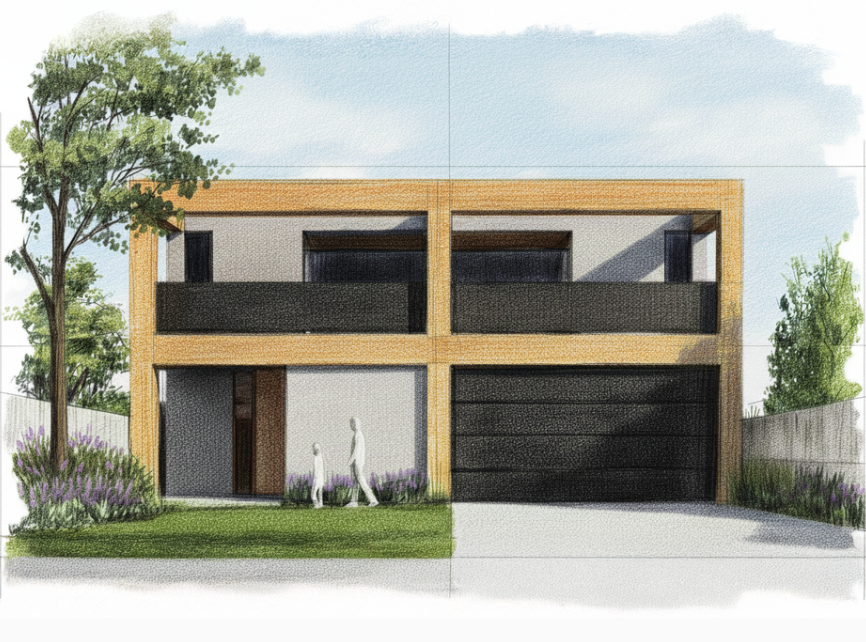
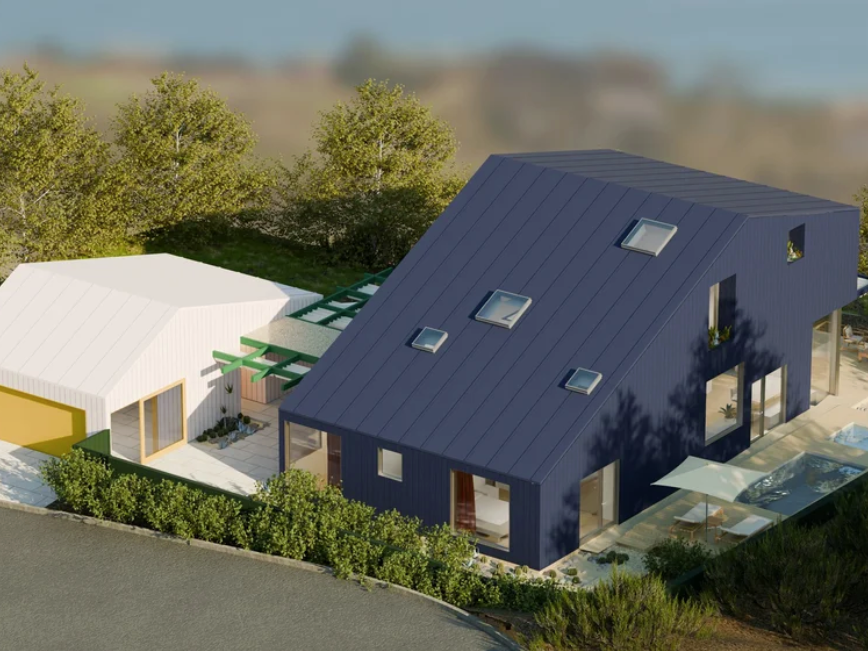
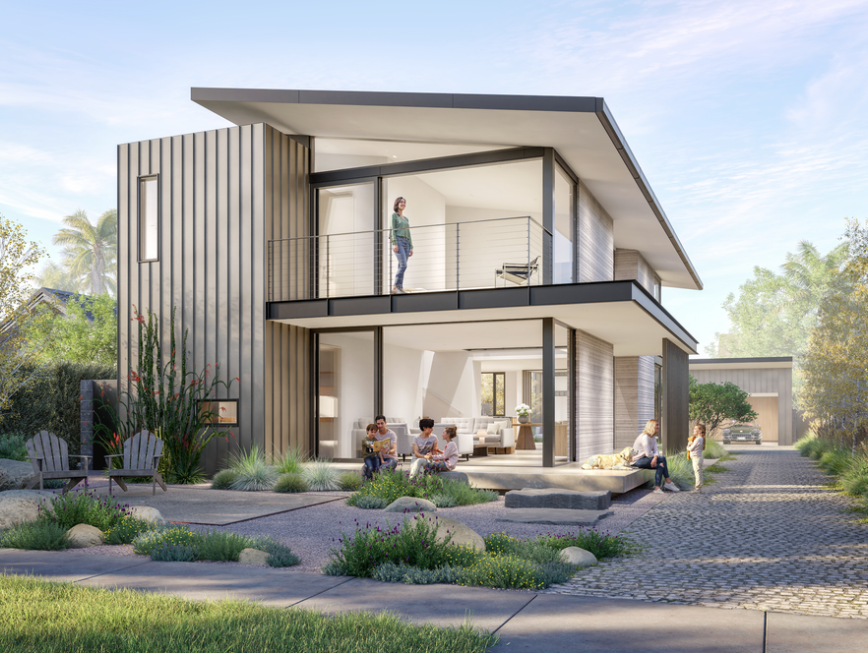
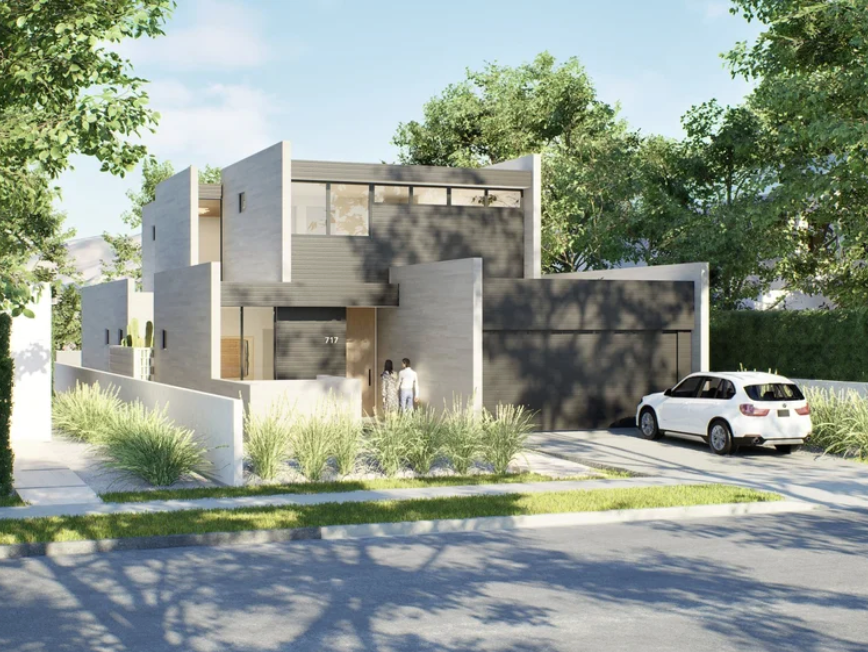
Furthermore, WPH standards don’t require homeowners to purchase luxury materials or high-end products. Many compliant options are standard, readily available building products. WPH standards do include requirements on landscaping within Zone Zero, but they don’t stipulate garden layout or plant selection beyond the five-foot buffer space. Instead, these certifications are meant to increase parcel-level protection through specific building features, material choices, and ongoing maintenance.
Why the IBHS Wildfire Prepared Home Plus Standard Matters
The Wildfire Prepared Home Plus standard is not just guidance for individual homeowners; it’s a clear and consistent benchmark that everyone in the rebuilding ecosystem can aim for, including underwriters, construction teams, and neighbors. Insurers can trust that Plus homes significantly decrease claims risk. General contractors can upskill around one set of guidelines, and neighbors can trust that their home’s fire risk isn’t escalated by the one next door. The more people who rebuild to the Plus standard, the more resilient that community will be to the next catastrophic wildfire.
The Wildfire Prepared Home Plus adds around 3% more to rebuilding costs.
According to Headwaters Economics, an independent nonprofit research group that works to improve community development and land management decisions, building to the Plus standard adds an incremental $15,000 to rebuilding costs. For a typical Altadena home, for example, this represents only about a 3% increase—roughly $2,000 more than required by California's current building code.
There are insurance advantages to building to the Wildfire Prepared Home Plus standard.
Insurers offer premium discounts for homeowners who build to the standard. Estimates from Insurance for Good, a nonprofit working to harness risk transfer to support climate resilience and disaster recovery, show that homeowners who rebuild to the Plus standard save approximately 21% on premiums.
A Mercury Insurance executive also told Forbes, “Homes that have been certified as a Wildfire Prepared Home or Wildfire Prepared Home Plus are excellent risks and [while]...[o]ther factors are also considered when offering renewals...we believe homes that achieve these designations are significantly better wildfire risks and would therefore be much more likely to be renewed.” At a time when people are worried about long-term insurability, rebuilding to the Plus standard gets homeowners and insurers on the same page. It makes homes safer and reduces claims risk.
Homes built to higher safety standards have a higher resale value.
Through the Strengthen Alabama Homes program, homeowners could obtain grants up to $10,000—funding from Alabama’s insurance industry—to retrofit roofs and other building components to the IBHS FORTIFIED standard.
Research from the University of Alabama found that the price of homes meeting the FORTIFIED standard increased by 6.8% compared to properties built to conventional construction standards, in addition to being more resistant to hurricane winds. Furthermore, according to IBHS, the ROI for homeowners who invested in meeting the FORTIFIED standard ranged from 8.1% to 72%.
Case-study in California: Dixon Trail is the nation’s first Wildfire Prepared Neighborhood.
Wildfire Prepared Home Plus homes are already being built in Southern California. In Dixon Trail, a residential community developed by KB Home in Escondido, California, all homes meet the Plus certification. The neighborhood was also designed as a Wildfire Prepared Neighborhood and is the first such community built to that standard in the U.S.
The additional cost to build to that standard, when planned ahead, is minimal, and will help ensure future homeowners “will have access to more insurance options,” according to Ivan O’Neill, an NFPA Certified Wildfire Mitigation Specialist and CEO of Madronus Wildfire Defense.
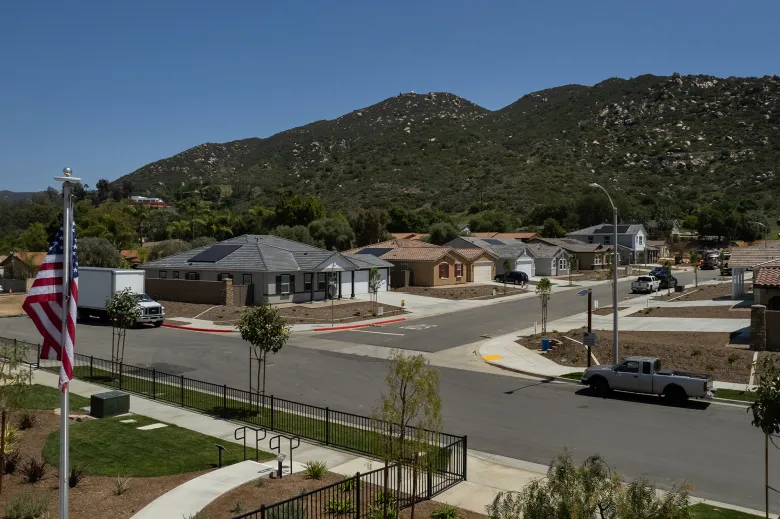
The Dixon Trail community in Escondido, California. It is the first wildfire-resilient neighborhood in the United States.
The Bottom Line
How homeowners rebuild after the Eaton and Palisades fires will determine the safety and resilience of communities for decades to come. And choosing to rebuild to the Plus standard—now, when it’s easiest to achieve the designation—is the best way to minimize the risk of losing your home in another wildfire.
Resilient Los Angeles, working alongside local partners and community organizations, is also making the Plus standard more accessible through the PILLAR platform and the Delta Fund—resources designed to guide homeowners through the rebuilding process and help bridge the financial gap between what insurers pay (which typically covers the cost to rebuild to local codes) and what it takes to achieve the Plus designation.
If you’re a program administrator for a grantmaker, download our new post-fire implementation guidebook, which offers education and guidance to help leaders launch new grant programs to support post-fire resilient rebuilding efforts within the community.