How Two LA Nonprofits Are Making Wildfire-Resilient Rebuilding Accessible
A new funding model shows how philanthropy and nonprofits can close the wildfire resilience gap in post-disaster rebuilding.
Key Takeaways
Progress is happening; homes are actually being built, not just planned
Partnerships between local nonprofits and the Resilient LA Delta Fund accelerate resilient rebuilding and streamline financing for homeowners
With more philanthropic giving to the Resilient LA Delta Fund and more nonprofits partnering with the Resilient LA Delta Fund, we can scale impact
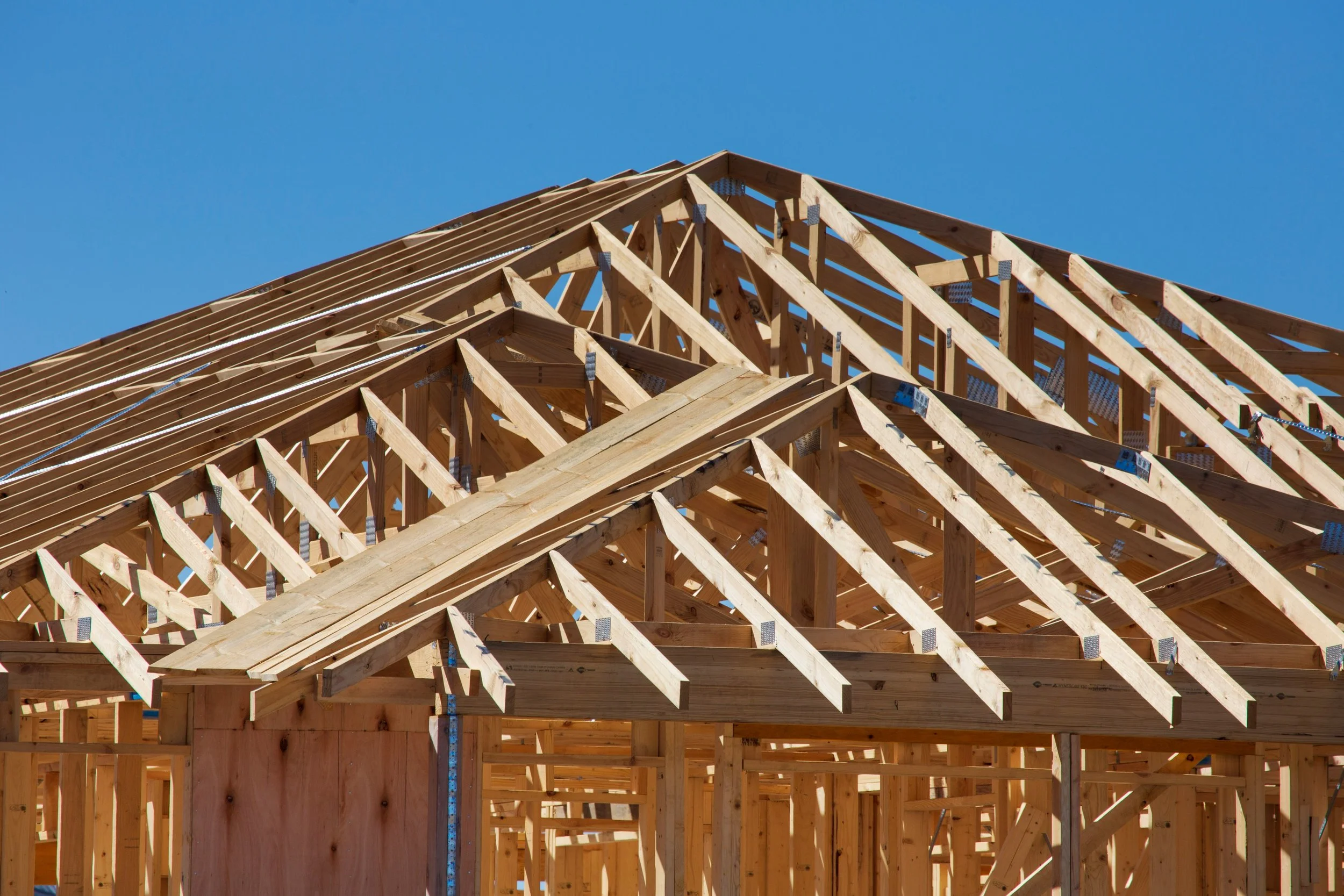
A year after the Eaton and Palisades fires tore through Los Angeles County, the work of rebuilding is finally breaking through. Permits are getting approved, framing crews are mobilizing on lots, and remarkably, some of the first homes to rise are wildfire-resilient; built with materials that decrease the risk of future damage from similar disasters.
This is a critical inflection point; not just for Los Angeles, but for how communities everywhere respond to the growing threat of wildfires. Constructing homes that can better withstand wildfires means adhering to higher safety criteria than California’s building code currently requires. In many cases, that also means a higher upfront investment from homeowners.
The Resilient LA Delta Fund, a first-of-its-kind initiative by The Resiliency Company and its work on the ground through Resilient Los Angeles, is designed to make gold-standard wildfire safety measures more achievable through targeted grants and loans.
The Resilient LA Delta Fund has selected two local nonprofits, Greenline Housing Foundation and San Gabriel Valley Habitat for Humanity, for pilot programs to help families bridge the gap between replacing what burned and rebuilding to last.
These organizations were selected based on three key factors:
They serve communities that face significant barriers to resilient rebuilding, making targeted financial support essential for achieving a safety standard that might otherwise be out of reach.
The homeowners served through these pilots are actively rebuilding and well-positioned to incorporate the upgrades needed to meet the IBHS Wildfire Prepared Home Plus standard.
These pilots offer the potential for community-wide impact, particularly where clusters of homes can be upgraded together, building resilience at a neighborhood scale.
If these pilots succeed, they won't just help dozens of families rebuild safer homes—they could become the blueprint for a new national standard of post-disaster recovery, one where resilience isn't the exception, but the starting point.
To learn more about best practices in implementing such grants, download the Wildfire Grants Guidebook, born out of a collaboration between The Resiliency Company, Insurance for Good, the Environmental Defense Fund, and the Resources Legacy Fund, with input from a steering committee of industry leaders.
Greenline Housing Foundation: Closing the Resilience Gap in Altadena
Greenline Housing Foundation’s mission is to help close the racial wealth and homeownership gaps by providing down payment assistance, homeownership preservation through home maintenance grants and pro-bono estate planning, and financial education for Black and Hispanic communities all across the country. As a Pasadena-based organization, when the Eaton Fire set neighboring Altadena ablaze in January 2025, Greenline Housing Foundation stepped up, recognizing the disproportionate impact the Eaton Fire had on Altadena’s Black and Hispanic homeowners. As a part of the organization’s multi-part relief plan, Greenline provides rebuilding assistance to help homeowners who lost their homes in the fire build back to code, including those who are underinsured or lack home insurance altogether.
As a grant recipient of the Resilient LA Delta Fund, Greenline Housing Foundation is taking that support to a deeper level of fire resilience, helping homeowners achieve the WPH Plus standard. The organization identifies homeowners in need and provides up to $250,000 of rebuilding assistance, bridging the gap between the funds homeowners have to rebuild and the actual costs of rebuilding. The Resilient LA Delta Fund then supplies the funding that takes the project from code-compliant to WPH-aligned. Critically, the grants flow through Greenline Housing Foundation directly to contractors, reducing the direct financial burden for homeowners and simplifying an overwhelming process.
The partnership’s first home is nearing completion and should be ready for move-in within weeks. The homeowner's story will sound familiar to anyone navigating recovery: They wanted to rebuild with fire safety in mind, but like so many others, they were nervous about rising construction costs, which made resilience feel like a luxury. As a result of the close collaboration between Greenline Housing Foundation and Resilient LA, coupled with critical capital from the Resilient LA Delta Fund, they’ll soon be moving into one of the safest homes in the neighborhood.
San Gabriel Valley Habitat for Humanity: Scaling Resilience With Volunteer Power
In the San Gabriel Valley, a different model is at work: San Gabriel Valley Habitat for Humanity is rebuilding hundreds of houses in the Eaton fire burn area, with support from their volunteer crew. Working in close coordination with local officials, contractors, and community members, Habitat has moved quickly, with homes expected to be ready in the coming weeks and months.
One important note, however, is that Habitat’s current model is designed to build code-compliant homes, as opposed to fire-resilient homes. The funding structure, built on volunteer labor and donated materials, isn’t designed to absorb the additional costs that resilient building requires, even when those costs are relatively modest.
That’s where innovative financing changes the equation. A Resilient LA Delta Fund grant bridges the gap between what Habitat can build and what the community actually needs, covering the incremental cost of fire-resilient materials and design features that the existing model can’t accommodate on its own.
And because Habitat is able to use volunteer labor and donated materials, the per-home resiliency delta is far smaller than the typical 2-3% on top of total construction costs. That means relatively modest philanthropic contributions can deliver meaningful safety improvements, allowing funds to stretch further and benefit more families than a conventional construction model ever could.
Why These Early Partnerships Matter
These homes are among the very first rebuilt after the fires. This is a big win for resilience, because first moves shape what the whole neighborhood expects. It also means that rebuilding with resilience doesn’t have to come at the expense of time or efficiency and can be part of every homeowner's journey. Early rebuilds with WPH certification set practical benchmarks for contractors, building officials, and neighbors alike. When resilience shows up at the start of recovery, it becomes part of the norm rather than an exception.
For homeowners, that means safety and peace of mind. Every home rebuilt to the Plus standard reduces risk not just for that family, but for neighbors, too. And for the broader recovery ecosystem, these partnerships validate a replicable model. Greenline Housing Foundation and Habitat demonstrate that targeted philanthropic capital, channeled through trusted community organizations, can close the resilience gap without overwhelming homeowners with complexity or paperwork. When this approach works in Altadena and the San Gabriel Valley, other nonprofits across LA and other fire-prone regions will have an example to follow.
How the Resilient LA Delta Fund Works
The Resilient LA Delta Fund was created to address the “resiliency delta”: the cost difference between meeting minimum building code requirements in a rebuild and achieving a higher standard of wildfire resistance. The fund specifically helps homeowners align with the Wildfire Prepared Home Plus designation from the Institute for Business & Home Safety (IBHS). Based on years of post-fire research, IBHS WPH+ focuses on proven measures, including ember-resistant vents, noncombustible roofing and siding, and careful attention to vulnerable junctions where embers can enter a home or flames can spread.
For homeowners already stretched thin by insurance limits, construction inflation, and temporary housing expenses, the added upfront cost of resilience—typically 2-3% on top of total construction costs—can be prohibitive. The result is a painful tradeoff: rebuild affordably or rebuild for long-term security.
The Resilient LA Delta Fund helps eliminate that choice, making high-quality wildfire resilience financially accessible. In partnering with local housing nonprofits, it’s creating a blueprint for how to scale wildfire-resilient rebuilding across the country.
How to Get Involved
The Resilient LA Delta Fund is now accepting partnership applications from nonprofit organizations working with wildfire survivors across LA. To qualify, homeowners must have funding in place to rebuild to code; Resilient LA Delta Fund grants cover only the incremental cost of upgrading to the IBHS WPH+ standard. Homeowners must also commit to achieving full certification.
Every dollar contributed to the Resilient LA Delta Fund helps close the gap that makes resilience feel out of reach. The partnerships with Greenline Housing Foundation and San Gabriel Valley Habitat for Humanity show what targeted funding can accomplish: Families that may not have been able to afford the resilience upgrade are now weeks away from moving into some of LA's safest homes.
To explore partnership opportunities or contribute to the Resilient LA Delta Fund, reach out to Resilient LA here.