Landscaping a Fire-Resilient Home: How to Achieve Beauty and Safety in Los Angeles
Complying with “Zone Zero” and defensible space requirements doesn’t mean all homes have to look the same or lose their aesthetic appeal.
Key Takeaways
Zone Zero is a critical 5-foot buffer around the home that must be kept clear of all flammable materials to reduce wildfire risk.
Zone Zero and fire-safe landscaping don’t require homeowners to sacrifice outdoor beauty.
Zone Zero compliance builds community-wide resilience to wildfires, in addition to protecting individual homes.
Fire-safe landscaping requirements can present an unexpected hurdle for homeowners looking to rebuild resiliently, particularly in the area immediately surrounding the house (known as “Zone Zero” or the ember-resistant zone). California’s Board of Forestry and Fire Protection is finalizing rules that would require residents to keep Zone Zero clear of all flammable materials, including vegetation. Research has found that an effective Zone Zero can dramatically increase the survivability of a dwelling.
For those who prefer the lush, green look of Los Angeles to the dry, desert environment of Palm Springs, restrictions around plant life may feel frustrating and limiting: ultimately, we all want our homes to feel like home. But we also want them to withstand future disasters, and this means making tradeoffs.
Fortunately, safety doesn’t have to come at the expense of neighborhood character. Rebuilding to resilient standards offers an opportunity to design a property that’s even more intentional, functional, and personal than what came before, reimagining beauty in a way that protects what matters most: the homeowner’s family and future.
What Is Zone Zero?
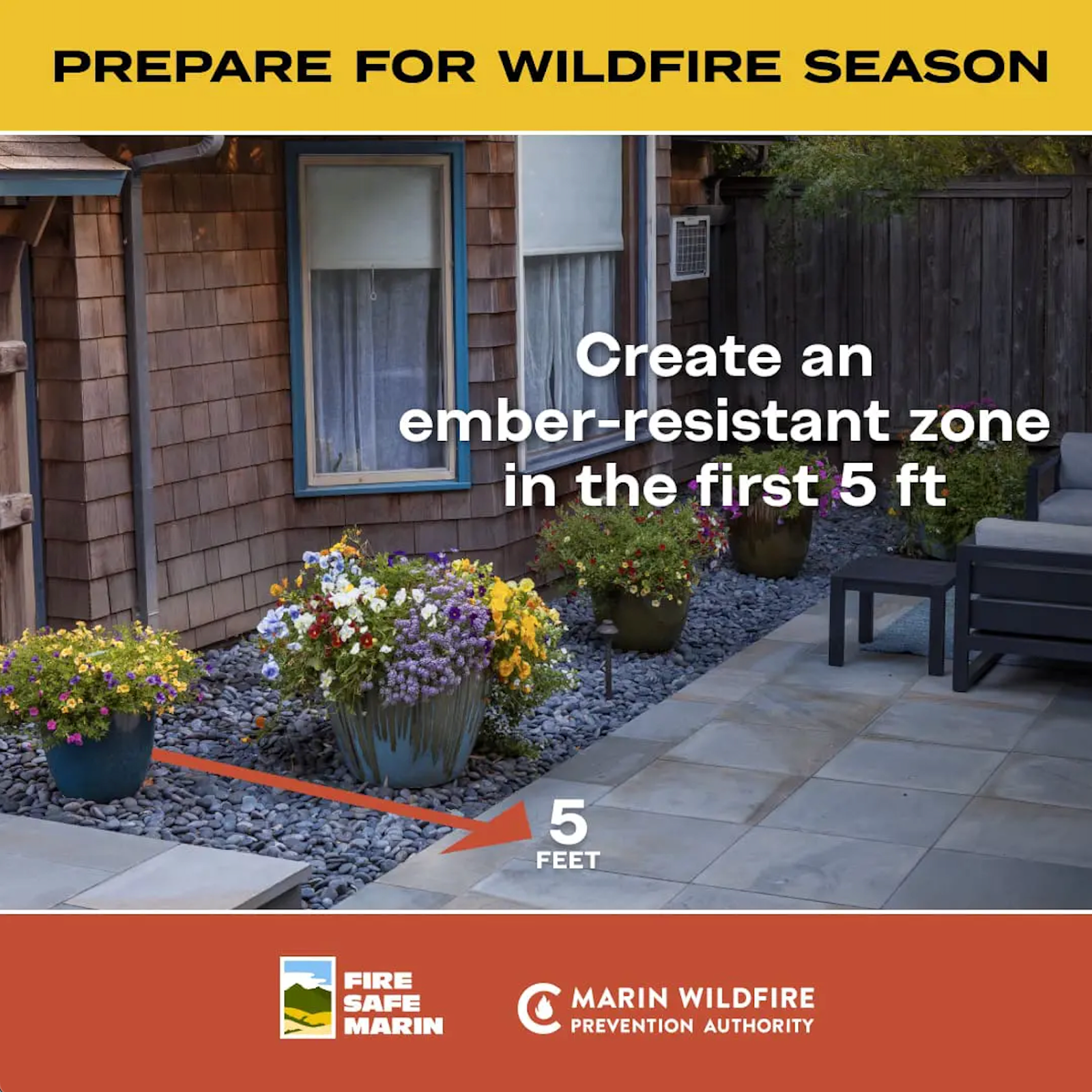
According to the Insurance Institute for Business and Home Safety (IBHS), an independent nonprofit that studies how buildings perform under extreme hazards like wildfire, the five feet closest to a home is the area most vulnerable to ember ignition—and a critical area to create defensible space. This defensible space—or buffer—is known as Zone Zero, the first line of defense in fire mitigation.
Clearing Zone Zero of combustibles—wood fencing, dry grass, vegetation, vehicles, and other flammable items—significantly reduces the risk of the structure catching fire. Trees and dense plantings are best located further from the house, where thoughtful pruning and spacing can reduce fire risk without sacrificing greenery.
Some people choose to use movable potted plants within Zone Zero, but these must be managed carefully and removed during periods of high fire risk.
Brad Sawyer, Senior Vice President and Risk Advisory Leader at Marsh McLennan Agency, illustrates the importance of Zone Zero this way:
“When you are building a bonfire, you start with the little pieces of wood, paper, or other debris. You use smaller materials to catch bigger ones on fire. It’s the same for your home in a wildfire; the little stuff catches the bigger stuff on fire, so eliminating mulch and other flammable plants next to a structure prevents that bonfire from occurring next to your house.”
Zone Zero plays a central role in fire-resilient building, and may even influence insurance eligibility in the years ahead. Insurers in California are incentivizing behaviors that harden homes against climate risks, and some are re-entering the state under Commissioner Ricardo Lara’s Sustainable Insurance Strategy—a commitment to cover homes built to wildfire safety standards, including Zone Zero compliance.
Going forward, homeowners who don’t follow California’s Board of Forestry and Fire Protection Zone Zero rules may find it harder to get home insurance or receive claims for future disasters due to non-compliance with the regulation.
What’s more, Zone Zero isn’t just a way to protect individual homes; it also builds wildfire resilience and safety across larger communities, ensuring they can withstand the future of more frequent and severe wildfires. By adhering to Zone Zero guidelines, homeowners not only reduce the risk of wind-blown embers igniting materials at the base of their home, but also prevent wildfires from spreading to other residences.
Zone Zero Doesn’t Mean Zero Beauty
Of course, these requirements can feel like another loss for homeowners in the midst of rebuilding. No trees against the house? No vines on the walls?
But Zone Zero doesn’t have to lack aesthetic interest. One of the clearest examples of this new landscape design is emerging through the Case Study: Adapt (CSA) Homes initiative. A partner organization of The Resiliency Company, CSA paired leading architects with 16 families who lost their homes. The idea is to design and rebuild in a way that’s both climate-resilient and fire-safe.
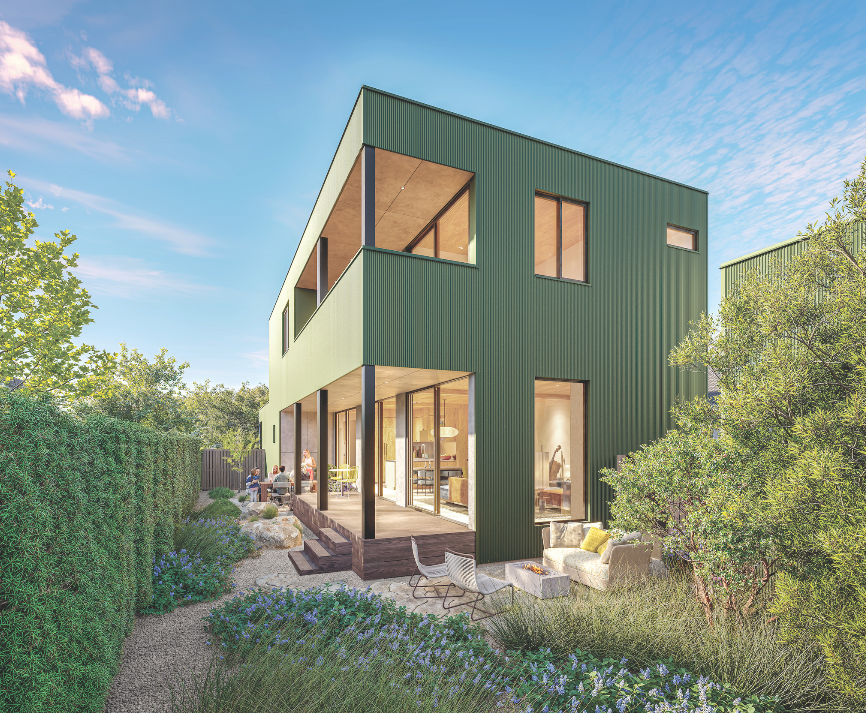
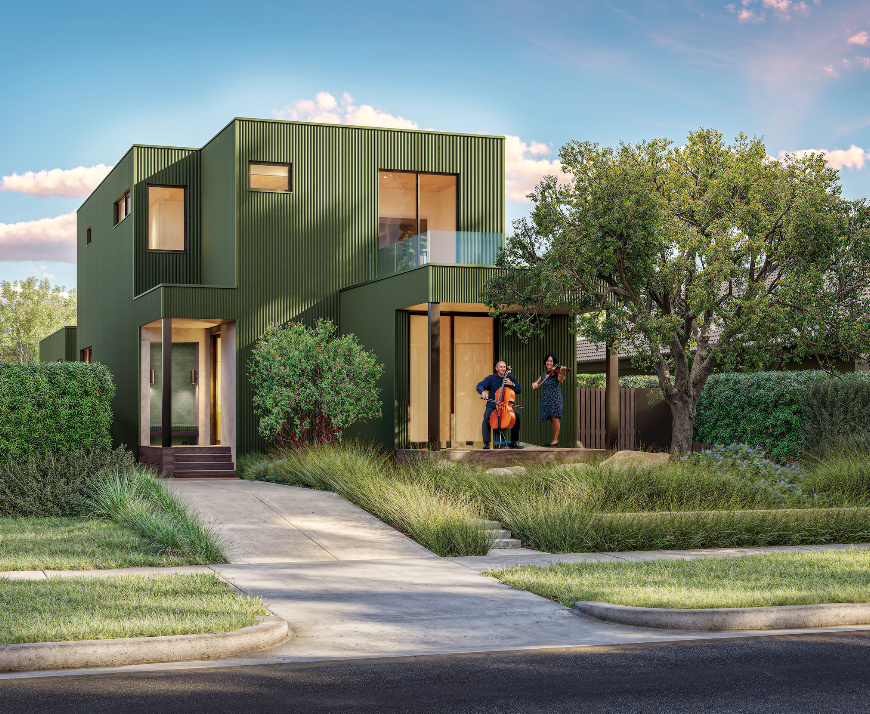
CSA is working with one of LA’s most respected design-build firms, Marmol-Radziner, on CSA #2: The Low House. Low House is a modular two-story rebuild featuring fire-resistant materials, defensible landscaping, and prefabricated modules that enhance safety and efficiency while retaining touches that feel personal to the owners.
The front yard features tall grasses, flowering shrubs, and trees, integrated in a way that respects a buffer zone but looks natural. The firm’s work shows how Zone Zero can be approached as a design consideration instead of a restriction.
“A beautiful landscape is made up of many elements, such as the colors and textures of the plants, the scents they bring to the air, the way you move through the garden, and the inviting spots that make you want to pause and enjoy the space,” explains Aista Sobouti, Senior Project Manager with Marmol-Radziner. The goal is to have Zone Zero blend naturally into the garden to create a cohesive experience.
“Avoiding a hard line at the edge of Zone Zero [is] key to keeping the landscape feeling open, connected, and inviting.” For Marmol-Radziner, fire resilience isn’t about one magic element, but about taking a holistic approach so that all the design elements and materials work together to blend protection and beauty. A yard can still have places for kids to play, areas to host dinners outside, and calm spaces to sit and reflect, but incorporating them requires intention.
Quick Wins for Homeowners
Here are a few simple, high-impact ways to add aesthetic appeal to defensible space:
1. Use lightweight, movable elements: Small potted plants, outdoor stools, lanterns, cushions, and accent tables can all create a rich visual experience without anchoring flammable materials close to your home. During fire season, these items are easy to relocate.
2. Embrace varied materials: Gravel, stone, concrete, and metal can provide warmth, contrast, and texture. Mix sizes and finishes, or anchor the space with handcrafted elements to enhance visual interest.
3. Layer farther from the home: Homeowners can still have lush planting, but it needs to be positioned thoughtfully. Layer height, color, volume, and shadow starting outside Zone Zero.
4. Treat hardscape as design, not absence: Patios, pathways, and seating zones can be sculptural and inviting. Play with curves, varied elevations, and integrated seating to encourage everyday use.
5. Choose plants and location carefully: Refer to LA County’s Plant Selection Guidelines by Zone or IBHS’s Vegetation in Zone 0 resource for specific plant suggestions and appropriate distance from the home.
Rebuilding isn’t just about safety; it’s about healing, too. In adopting resilience strategies, Los Angeles residents are reinventing what fire-safe living can look like, adding depth to California’s unique beauty.